Cisco Cloud Control is positioned as a next-level platform for managing cloud-native networking, AI-powered operations, and security observability — but it’s not just another tool to layer on top. For partners eager to pitch it effectively, understanding the nuanced shift from introducing AI to operationalizing AI, and how Cisco’s control plane approach addresses the endemic problems of identity sprawl and machine-speed attacks, is critical.
Why Cisco Cloud Control Matters for Partners
Before diving into the technical facets, let’s set the stage on the business and operational relevance:
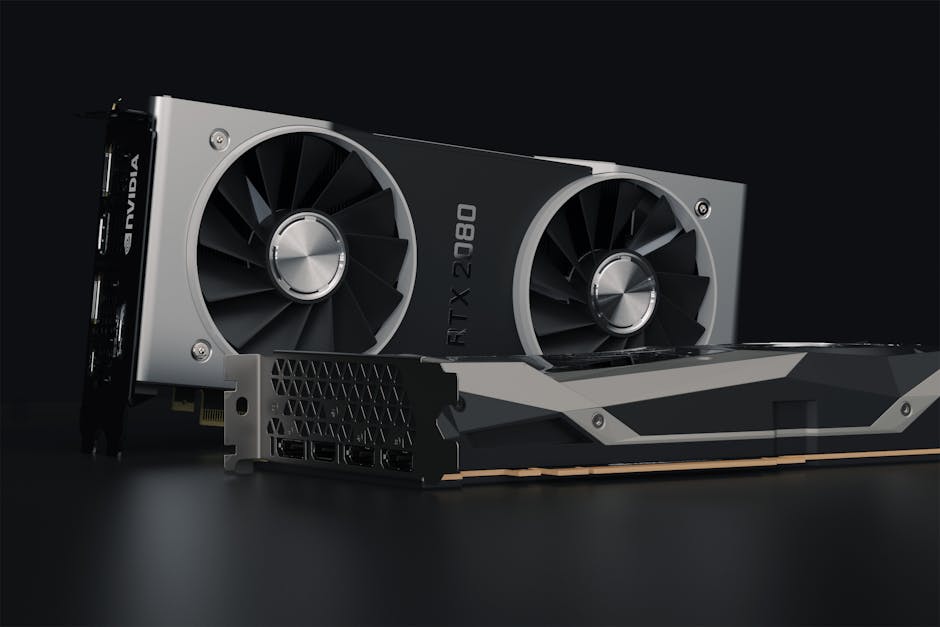

- Modern cloud workloads demand instant and granular control: The complexity of hybrid and multicloud environments means manual or semi-automated processes no longer scale. Machine-speed defense is essential: Autonomous attacks evolve rapidly; legacy security controls are too slow, creating a growing risk exposure window. AI promises abound, but delivery is uneven: Cisco Cloud Control leans on proven AI agents and control planes to deliver tangible operational gains — not just hype. Governance needs bite, not just bark: Identity and permission management becomes a core security pillar rather than a compliance checkbox.
Partners https://seo.edu.rs/blog/what-is-data-gravity-and-why-does-it-keep-coming-up-in-ai-projects-11163 who can explain these realities and stitch Cisco’s capabilities into customer pain points set themselves apart.
Operationalizing AI Instead of Just Introducing It
The big story with Cisco Cloud Control is the transition from AI as a concept to AI as an operational engine embedded directly into networking and security processes.
What Does Operationalizing AI Mean?
- AI Agents embedded in workflows: Rather than standalone AI tools, Cisco employs agentic AI—small autonomous AI agents that continuously collect telemetry, analyze issues, and act or recommend actions in near real-time. Feedback loops integrated into the network fabric: AI insights flow directly into control planes and orchestration layers, avoiding manual interpretation or delayed responses. Reduced operator burnout and faster mean time to repair (MTTR): By automating routine diagnostics and remediation, operations teams stay focused on higher-value tasks.
Partners should emphasize the difference between a shiny AI dashboard selling a narrative, and a deep integration that changes how operations function. Cisco Cloud Control is the latter.
Machine-Speed Defense vs. Autonomous Attacks
One of the defining cybersecurity challenges today is that attack techniques evolve autonomously, fueled by AI and automation themselves. Static, rule-based defenses cannot keep pace.
How Cisco Cloud Control Handles This Challenge
Real-time behavioral analytics: AI agents monitor network behavior continuously, identifying anomalies that signal potential breaches without waiting for signature updates. Rapid configuration adaptation: The control plane can enforce dynamic policy changes at machine speed — blocking or isolating compromised assets before lateral movement occurs. Self-healing capabilities: Automated workflows can trigger incident response protocols, such as quarantine or endpoint remediation, with minimal human intervention.Partners must make clear that Cisco Cloud Control is about proactive defense. It’s a shift from detect and alert to detect, respond, and contain — automatically and instantly.
Identity Sprawl and Agent Permissions: Invisible Risks Cropped by Cisco Cloud Control
A frequently overlooked dimension in the “AI operationalization” discussion is the explosion of identities and agents with various permission levels — think dozens or hundreds https://dibz.me/blog/is-gpu-as-a-service-profitable-for-solution-providers-or-just-risky-1216 of AI agents, applications, services, and users all interacting with cloud workloads.
Why Identity Sprawl Matters
- Excessive permissions increase risk: Overprivileged AI agents or microservices can become entry points for attackers or cause accidental misconfigurations. Lack of centralized visibility: Teams struggle to map who owns what credential, what agents are active, and how permissions evolve over time.
How Cisco Cloud Control Mitigates Identity Risks
Challenge Cisco Cloud Control Approach Permission creep across cloud agents Centralized identity services tightly integrated with AI agents audit permissions continuously and enforce least privilege principles. Lack of ownership clarity for policy violations Role-based access controls (RBAC) and ownership metadata ensure policies map to clear owners and responders. Agents acting outside permitted scope Behavioral baselines for AI agents detect anomalies in their actions, triggering alerts or automatic containment.This focus on governance is not “red tape.” Partners should highlight that having a strong identity and permissions framework prevents costly 2:00 AM incident page-outs and post-breach blame games.
Control Planes for Governance and Observability
At its core, Cisco Cloud Control hinges on a robust control plane architecture that unifies networking, AI operations, and security observability. Partners need to understand and explain this to customers.
Key Characteristics of Cisco’s Control Plane Deployment
- Single pane of glass: Consolidates telemetry across networking stacks, cloud workloads, and AI agents. Unified policy enforcement: Configurations, security rules, and AI-driven decisions propagate consistently across environments. Event correlation and root cause analysis: AI correlates alerts from diverse sources, speeding up diagnosis and remediation.
Why the Control Plane is a Game-Changer
Many vendors offer fragmented visibility solutions or siloed AI tools. Cisco Cloud Control’s control plane ensures policies and observability are:
Consistent: No more drift or configuration gaps meaning fewer surprises from cloud-native workloads. Comprehensive: Security observability across networking, AI operations, and cloud resources in real-time. Programmable and extensible: APIs let partners and customers extend workflows or integrate with existing SIEM and ITSM tools.Explaining these benefits positions partners as trusted advisors, not just resellers of “another cloud tool.”
How Partners Can Prepare Their Pitch
To distill this complex landscape into a compelling pitch, partners should incorporate these core themes and questions to vet before engaging customers:
- Understand customer's AI maturity: Are they stuck in pilot mode, or ready to embed AI in operations? Highlight operational cost reduction: Can Cisco Cloud Control reduce manual troubleshooting and incident response? Identify key risks around identity sprawl: Who owns agent permissions and how is that audited today? Discuss governance and compliance: How does Cisco’s control plane simplify auditors’ views and improve security posture? Use scenarios and demos: Illustrate machine-speed defense in action — not abstract metrics.
Conclusion
Cisco Cloud Control is not a lightweight add-on. It’s a comprehensive platform marrying control plane deployment, advanced networking and AI ops, and deep security observability to meet the demands of modern cloud infrastructures. For partners, success lies in articulating the move from theory to practice — how agentic AI and intelligent control planes break the mold on operational efficiency and risk mitigation. Move beyond buzzwords and vague ROI claims; focus on tangible impact, ownership clarity, and proactive governance. That is the pitch Cisco partners need to master.